Situation
An election campaign. Mainstream coverage is loud and national; the vote is decided ward by ward, on local concerns the headlines miss.
Objective
Know what each ward is saying, and answer it with a message its own residents recognise, through channels they chose to join.
Approach
How this desk would run it
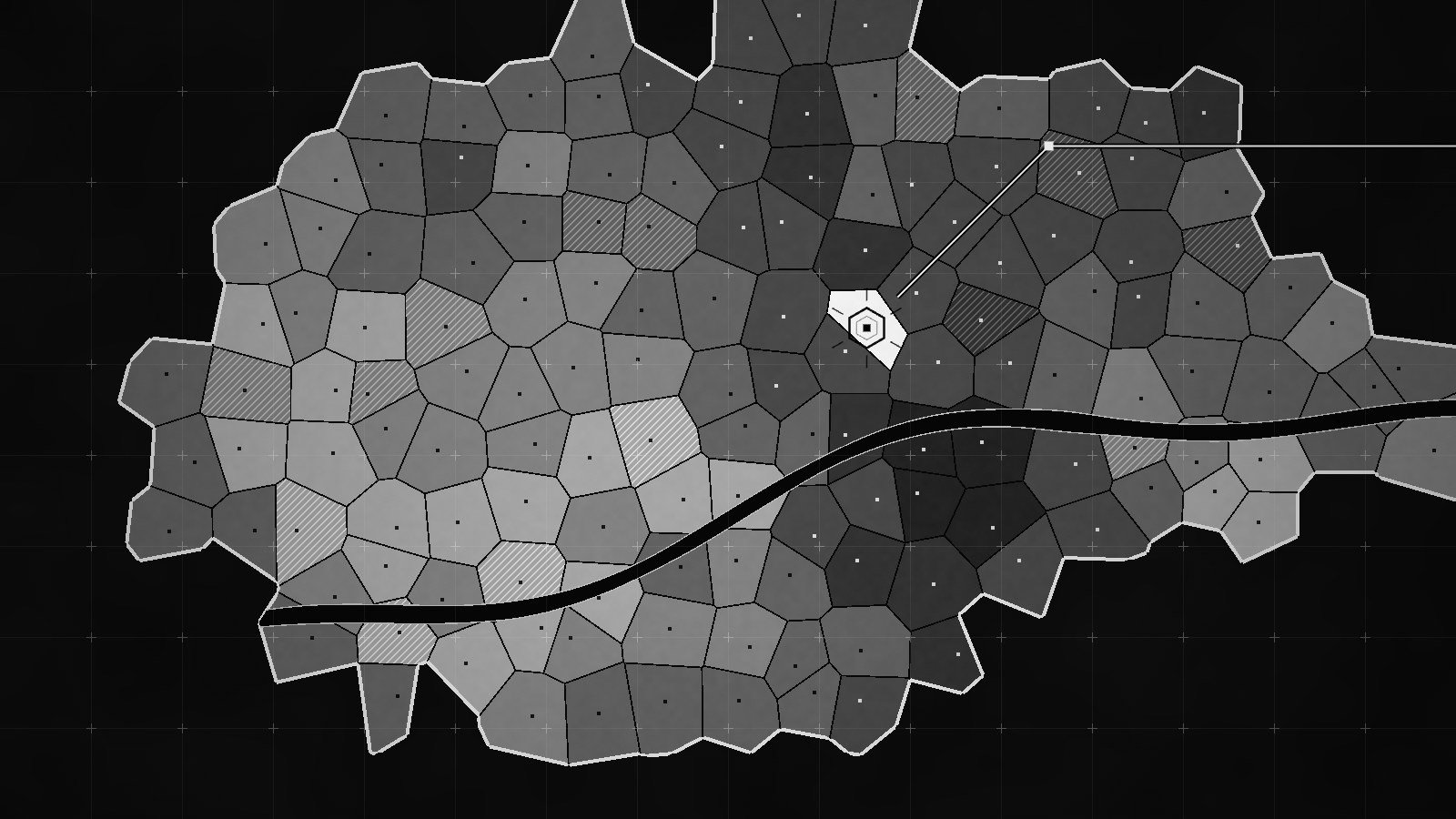
Sentiment Analysis
Ward-level opinion read from consented field panels and opt-in community channels, refreshed through the cycle.
Opt-in Community Broadcasts
Local messages sent only to people who subscribed, in their language, on the channel they picked.
Fact-Check Rapid Response
False claims answered quickly with sourced facts, before they settle.
24/7 War Room Ops
One room, staffed round the clock while the mandate runs, joining research, message and response.
Sequence
Indicative order of work
Phase 01
Baseline
Wards are mapped. Field panels and opt-in channels are set up, with consent recorded.
Phase 02
Message
Ward findings are turned into local messages and tested.
Phase 03
Campaign
Broadcasts and rapid response run until the 48-hour silence period begins. From then until polling closes the war room only monitors.
Phase 04
Close
Channels are wound down. Research data is handled as the consent terms require.
Measure of Done
What the mandate is for
Ward-Level Research and Message
In this scenario the mandate is met when every priority ward has heard a message built from its own concerns, and false claims are answered before they settle.
On election campaigns the work is split three ways: Signal Corp does research and message, Ground Control does field organisation, events and the war room, and Overwatch does rapid response. Research and outreach run on consent only: consented field panels and channels people chose to join. Political advertising is pre-certified where the rules require it, and the silence period is observed.
Desk
Who would run it